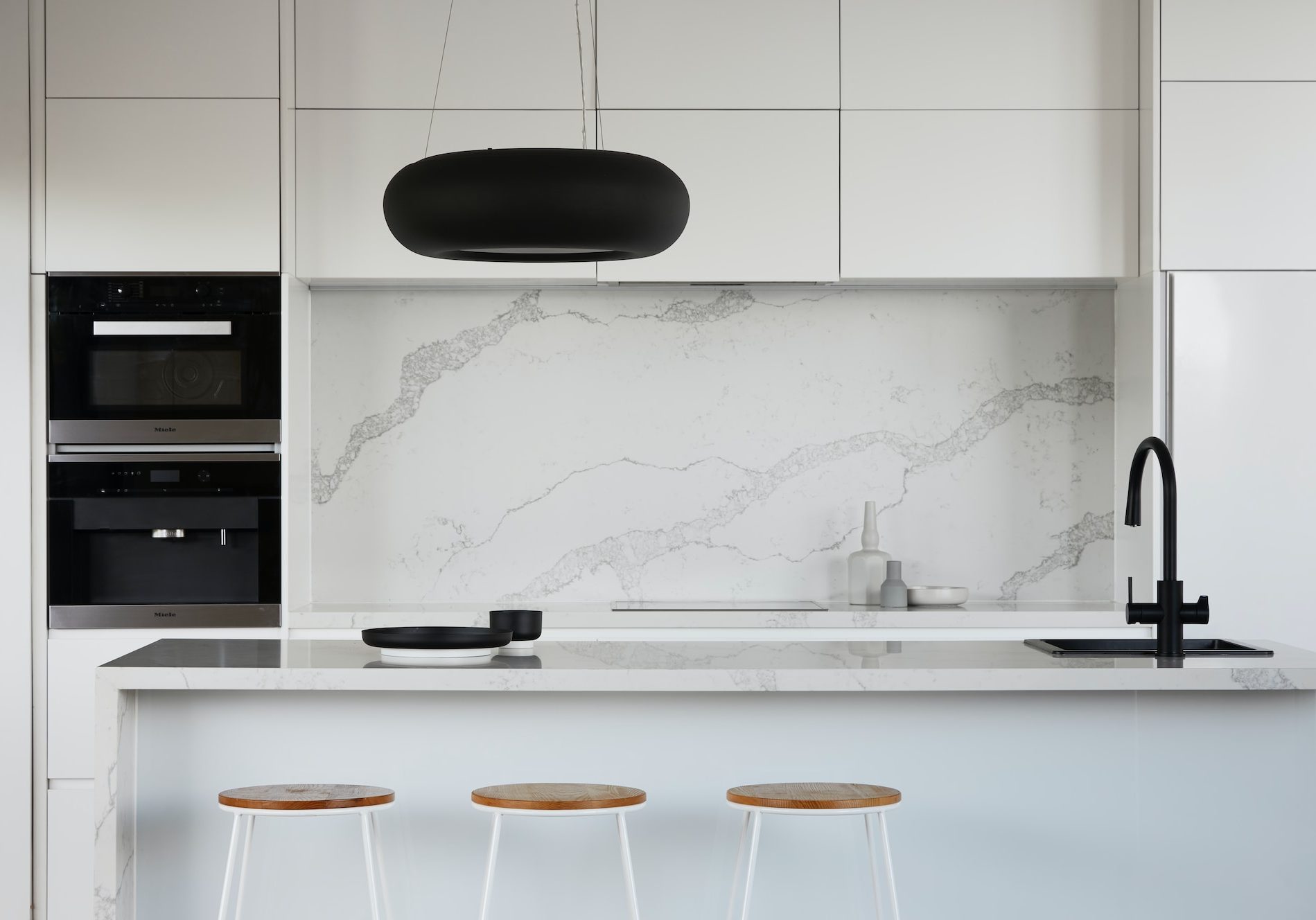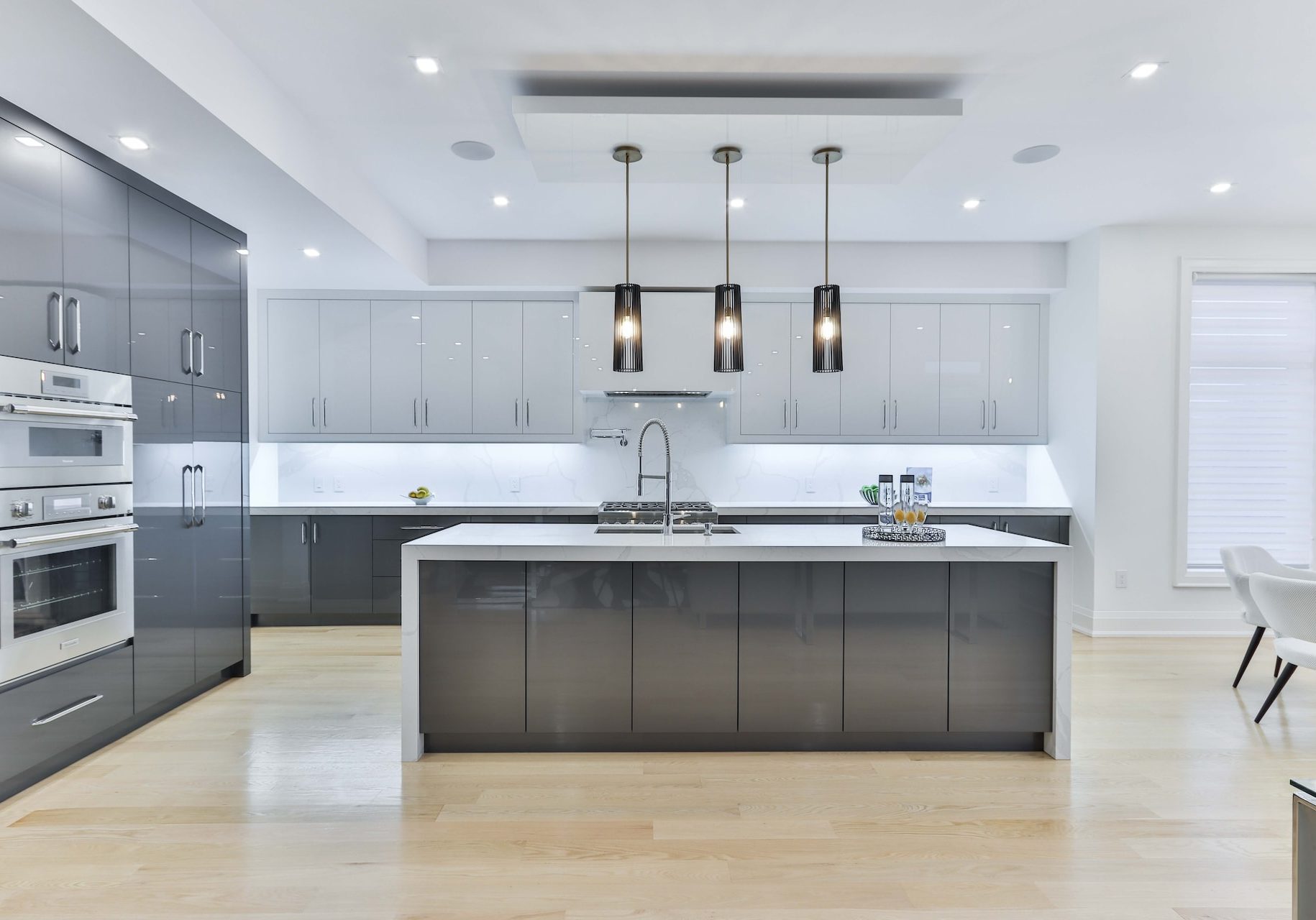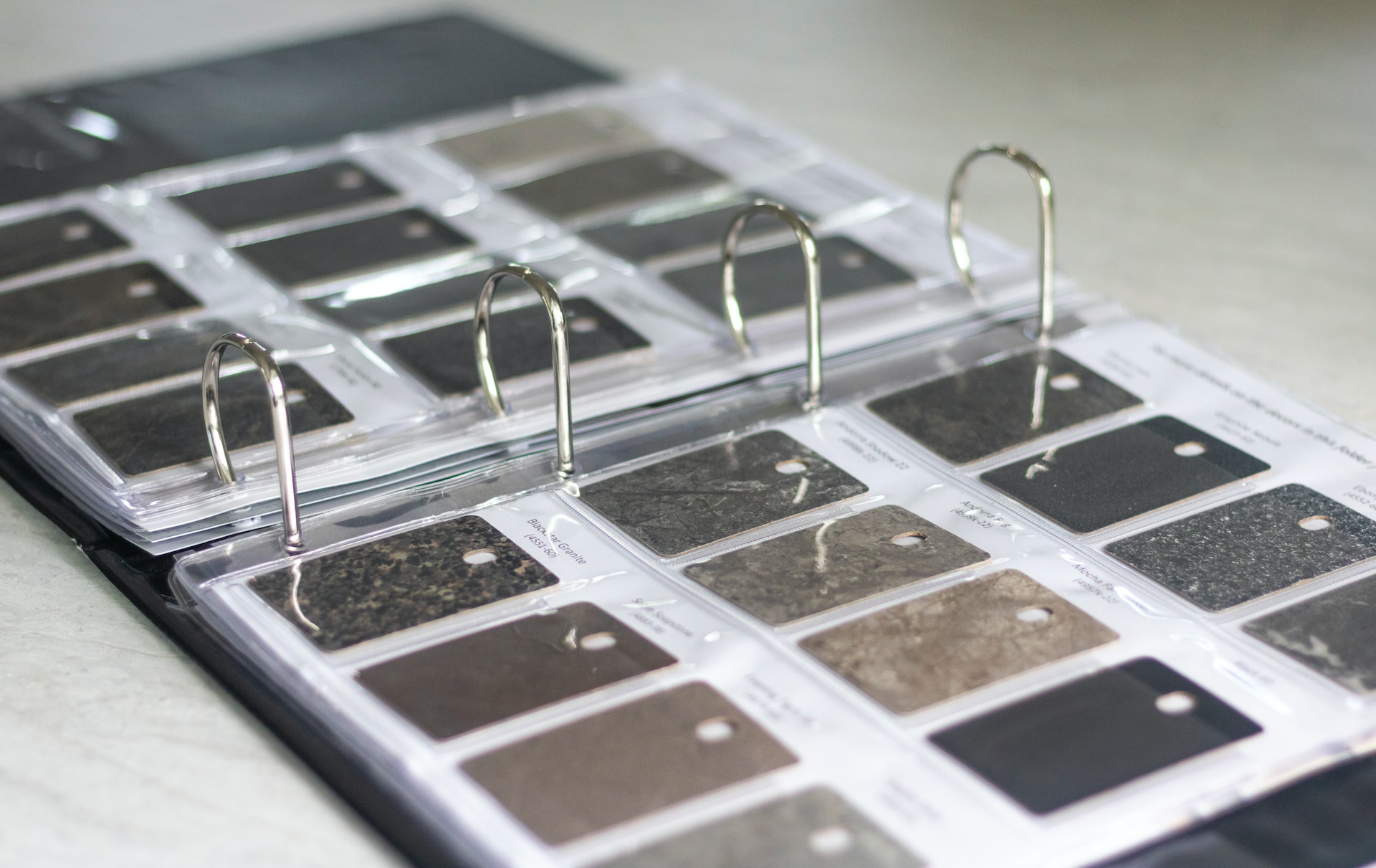
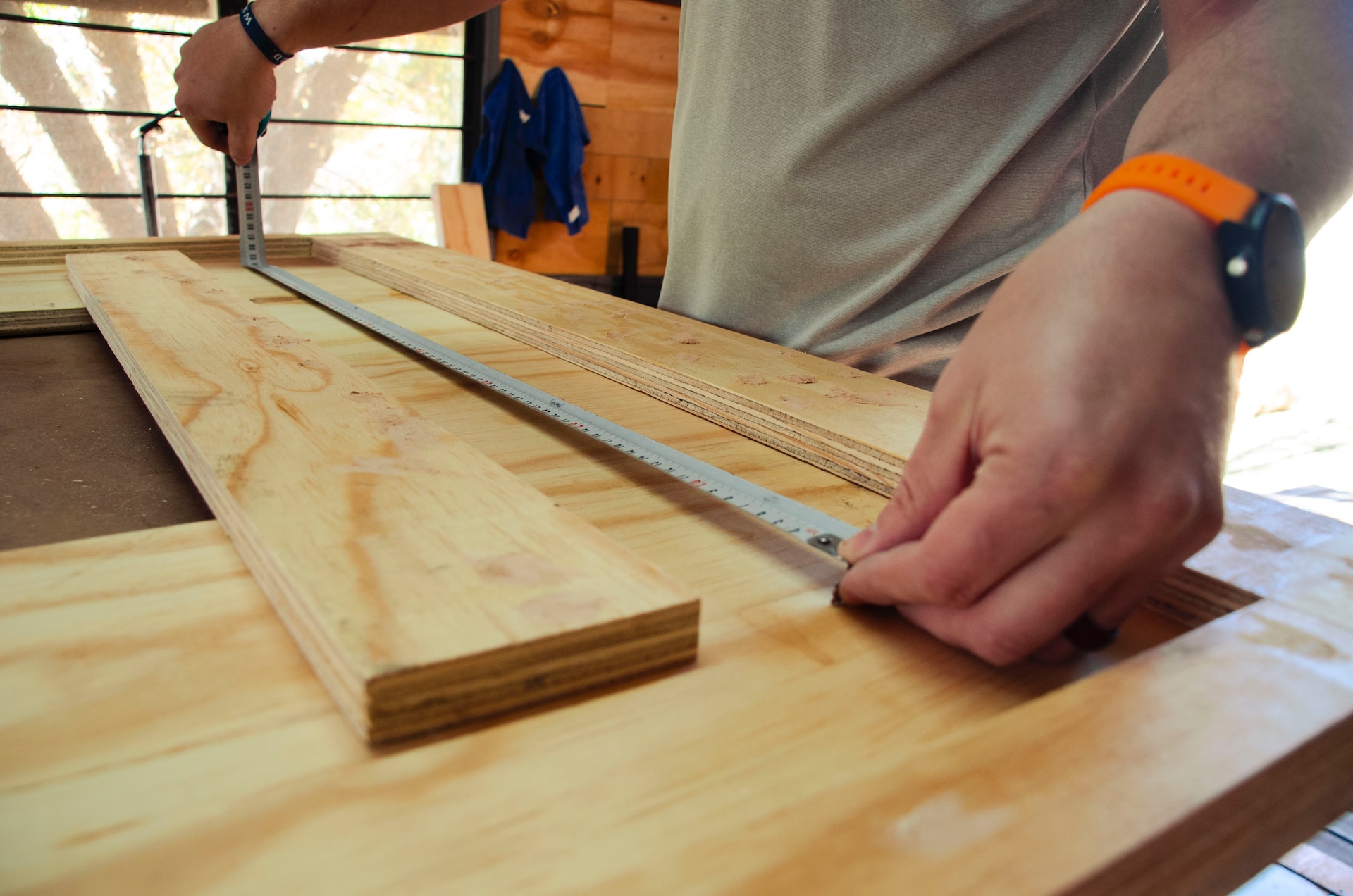
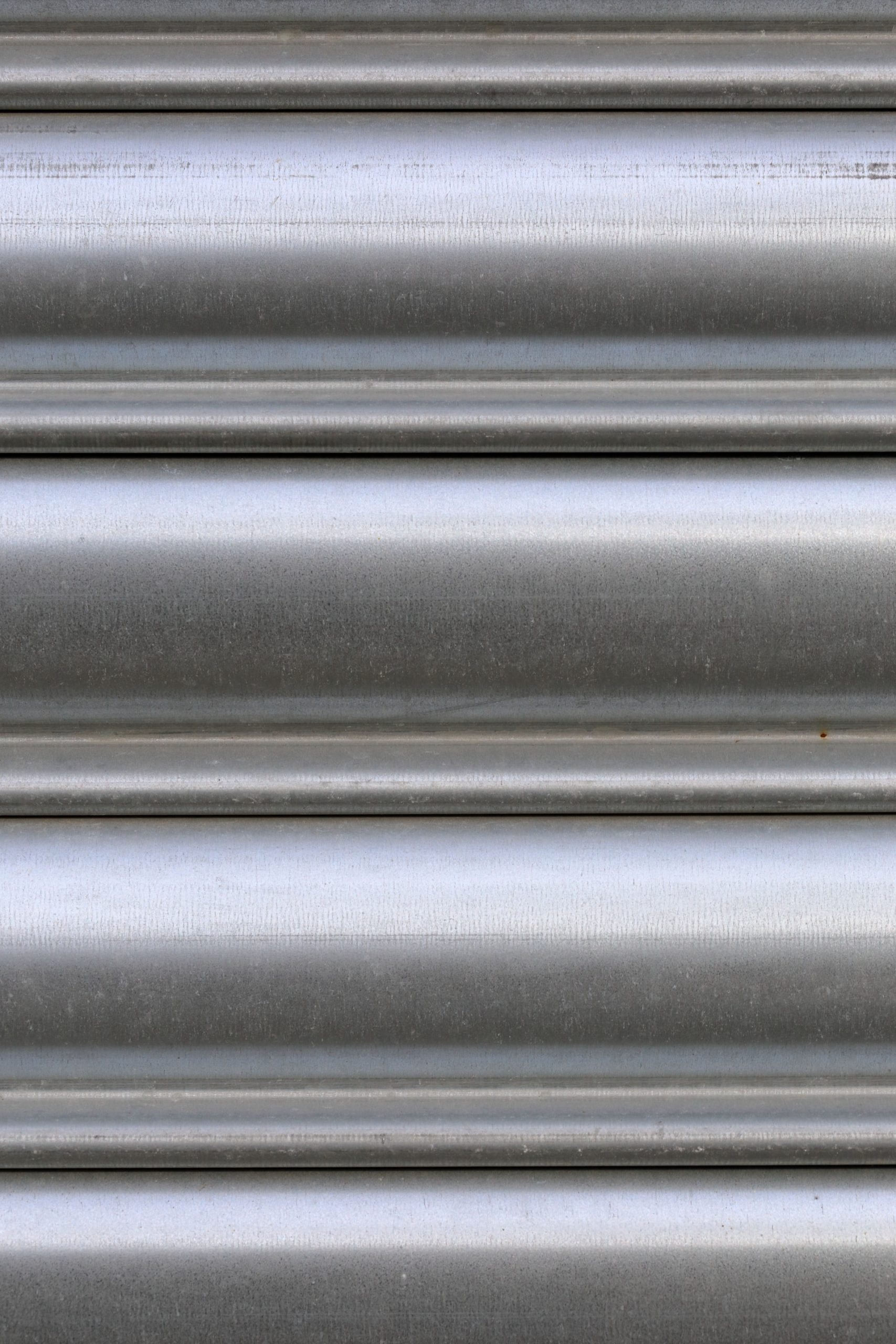
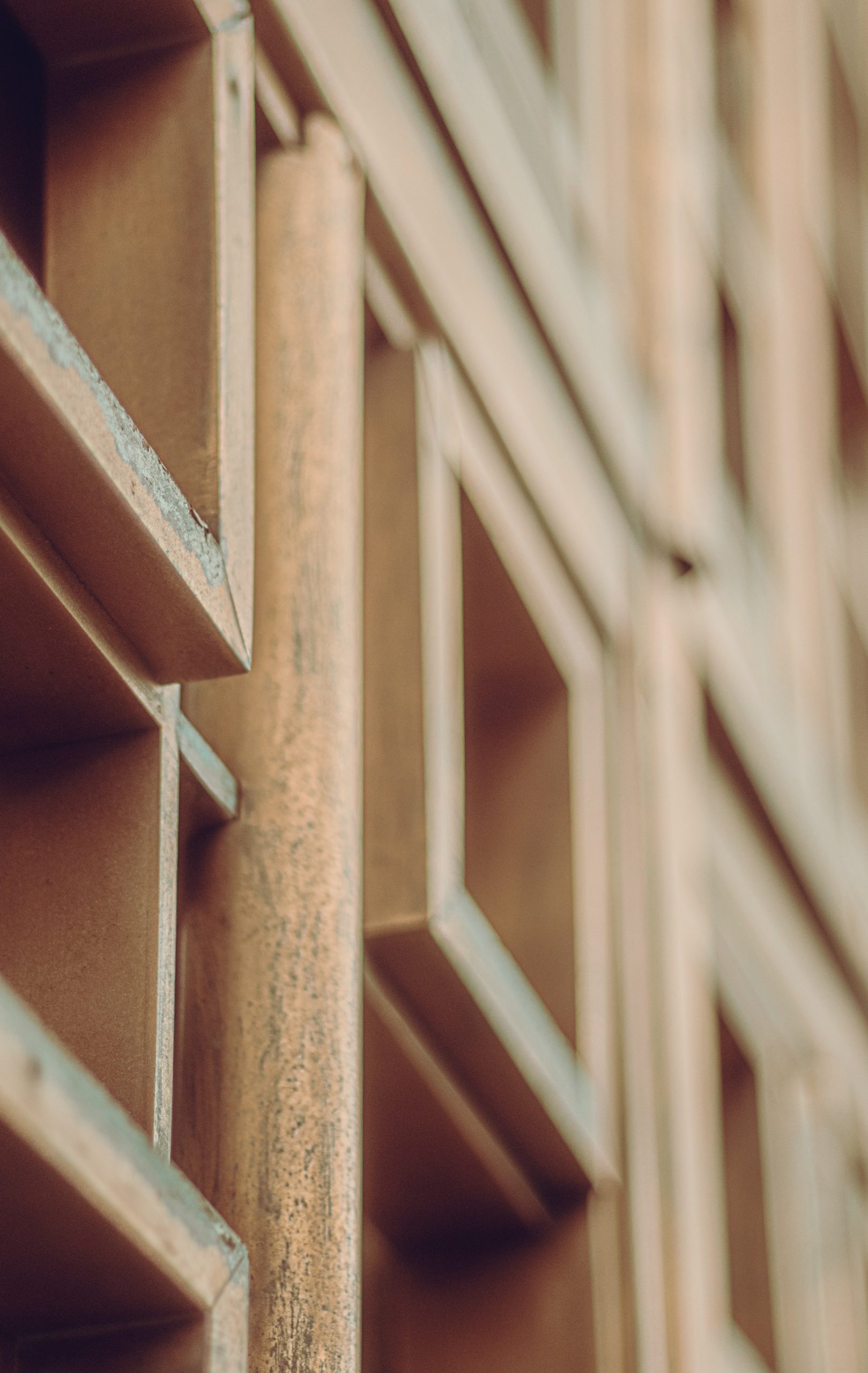


When it comes to designing your dream kitchen, no element has a more significant impact on both function and style than your choice of kitchen cabinet material. From solid wood to compact laminate, each material offers a distinct combination of cost, maintenance, durability, ease of installation, sustainability, and aesthetic appeal. In this guide, we will explore six popular kitchen cabinet materials, shedding light on their individual characteristics to help you make an informed decision. Whether you prioritise the timeless beauty of solid wood, the sleek modernity of steel, or the affordability of particle board, you'll find valuable insights here to set you on the path to perfection. So, let's dive into the exquisite world of kitchen cabinet materials and unlock the secrets that will elevate your culinary haven to new heights of elegance and functionality.
1. Solid Wood
Cost
Solid wood is typically the most expensive kitchen cabinet carcass material due to quality and craftsmanship.Maintenance
Solid wood is prone to moisture and temperature changes, so regular maintenance is required.Durability
Solid wood is highly durable and can last for many years with proper maintenance. Ease of installation: Solid wood can be more difficult to install than other materials due to its weight and thickness.Sustainability
Solid wood can be sustainable if sourced from responsibly managed forests or repurposed/reclaimed wood.Aesthetic appeal
Solid wood has a timeless, natural beauty that can enhance the overall look of a kitchen.2. Steel
Cost
Steel is generally more expensive than wood-based materials due to its quality and fabrication process.Maintenance
Steel is easy to clean and maintain, and resistant to moisture and scratches.Durability
Steel is highly durable and resistant to heat, moisture, and impact.Ease of installation
Steel can be heavier and more difficult to handle than other materials, but it is still relatively easy to install.Sustainability
Steel is recyclable and can be a sustainable option if made from recycled materials.Aesthetic appeal
Steel has a modern and sleek appearance that can give a kitchen an industrial feel.3. Plywood
Cost
Plywood is generally more affordable than solid wood or steel.Maintenance
Plywood is resistant to moisture and scratches, but may require a protective finish.Durability
Plywood is a strong and stable material that is resistant to warping and cracking.Ease of installation
Plywood is relatively easy to work with and install compared to heavier materials like solid wood or steel.Sustainability
Plywood can be sustainable if sourced from responsibly managed forests or made from recycled materials.Aesthetic appeal
Plywood has a natural texture and grain that can add warmth and character to a kitchen.4. MDF (Medium-Density Fiberboard)
Cost
MDF is generally more affordable than solid wood or steel, making it a popular option for budget-friendly projects.Maintenance
MDF is sensitive to moisture and may swell or delaminate if exposed to water, so it is important to protect it with a sealant or finish.Durability
MDF is not as durable as some other materials and may not hold up as well over time.Ease of installation
MDF is lightweight and easy to work with, making it a popular option for DIY projects.Sustainability
The sustainability of MDF can vary depending on how it is made and sourced, but it is generally not considered to be a sustainable option.Aesthetic appeal
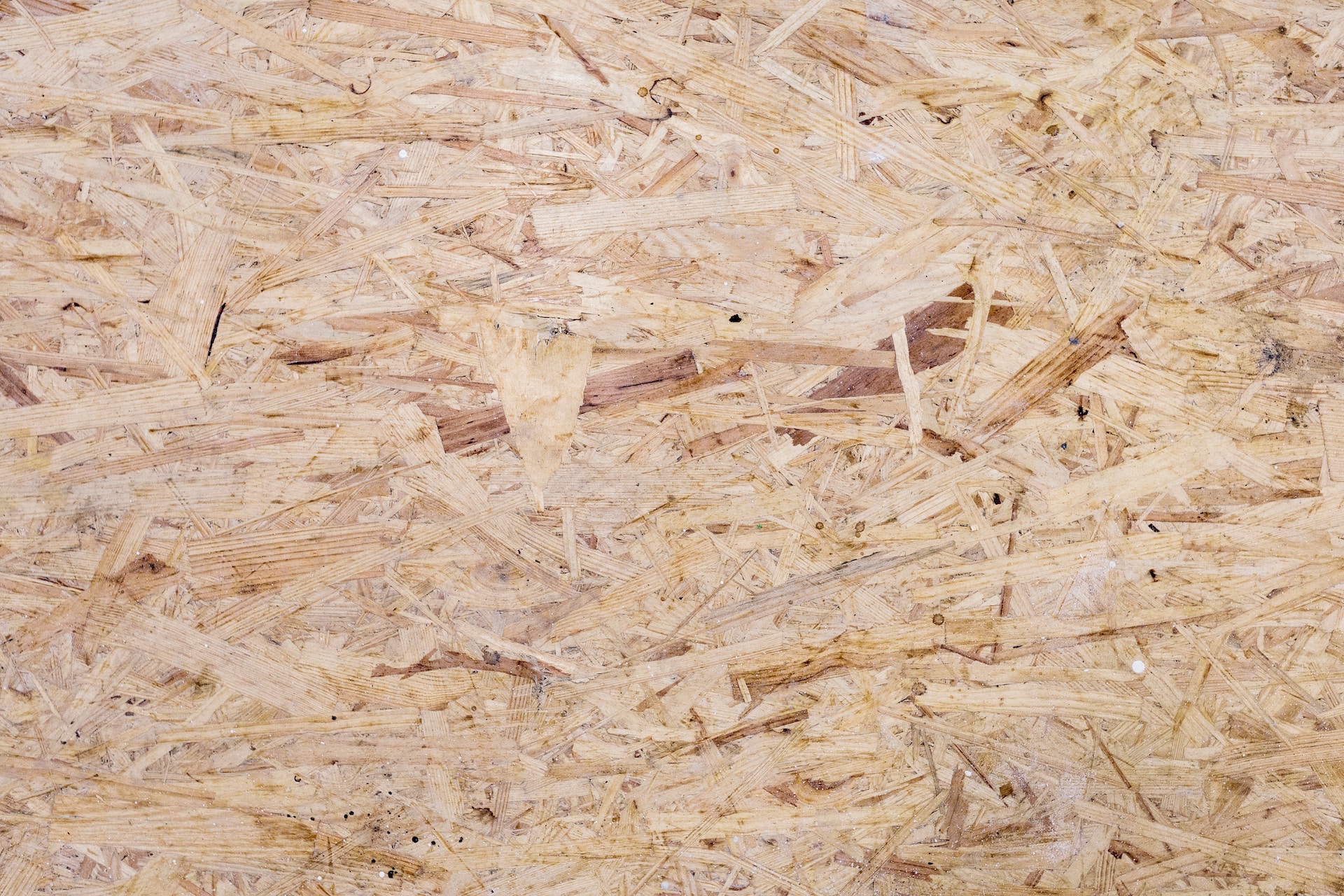
MDF has a smooth and consistent surface that is good for painted finishes.5. Particle Board
Cost
Particle board is often the most affordable kitchen cabinet carcass material.Maintenance
Particle board is prone to swelling if exposed to water, so it is important to protect it with a sealant or finish.Durability
Particle board is not as durable as other materials and may not hold up as well over time.Ease of installation
Particle board is lightweight and easy to work with, making it a popular option for DIY projects.Sustainability
The sustainability of particle board can vary depending on how it is made and sourced, but it is generally not considered to be a sustainable option.Aesthetic appeal
Particle board is often used as a substrate for veneers or laminates and can provide a smooth and consistent surface.6. Compact Laminate
Cost
Compact laminate can be expensive due to its quality and durability.Maintenance
Compact laminate is highly resistant to moisture, scratches, and stains, making it easy to clean and maintain.Durability
Compact laminate is extremely durable and can last for many years without signs of wear and tear.Ease of installation
Compact laminate can be heavier and more difficult to work with than other materials, but it is still relatively easy to install.Sustainability
Compact laminate can be a sustainable option if made from recycled materials or sourced from responsibly managed forests.Aesthetic appeal
Compact laminate comes in a wide range of colors and patterns and can provide a sleek and contemporary look to a kitchen.Conclusion
Choosing the perfect kitchen cabinet material can be a challenging task, but with a clear understanding of the characteristics and pros and cons of each option, you can make an informed decision that meets both your aesthetic and functional requirements. Ultimately, the key is to assess your needs, budget, and aesthetic preferences, and choose a material that aligns with them. Keep in mind sustainability factors and always review your installation options before making a final decision. With this guide, we hope to make your search easier, and you will be on your way to a perfect kitchen that catches both the eye and heart.Want more free tips?
Image References
Photo by Callum Hill on Unsplash
Photo by Neven Krcmarek on Unsplash
Photo by Tom Chrostek on Unsplash